
Services
Hands-on consulting for the people who build communities.
Built on decades of hands-on work with public agencies, nonprofits, developers, lenders, and mission-driven investors, not theory from the sidelines. Choose a service to see what's involved.

Our Approach
We define the problem before choosing the tool. Every engagement moves from diagnosis to plan, program, project, and evaluation.
Learn more ↓
Program Design & Evaluation
We design community development programs that deliver measurable outcomes, from subsidy design to performance dashboards and impact reporting.
Learn more ↓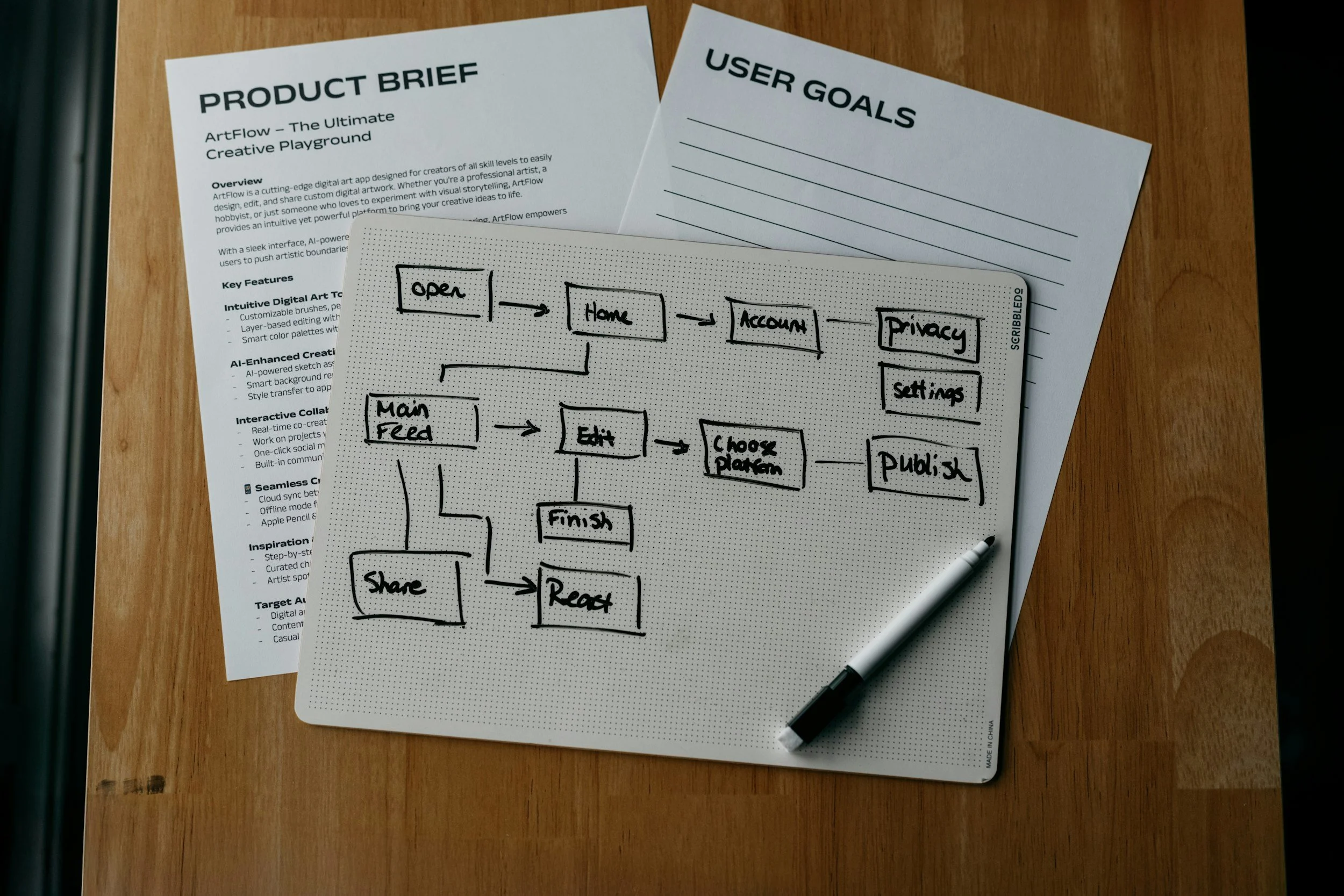
Policy Analysis & Strategy
We develop needs assessments, market studies, and strategic plans for housing, small business, and economic development, grounded in local conditions.
Learn more ↓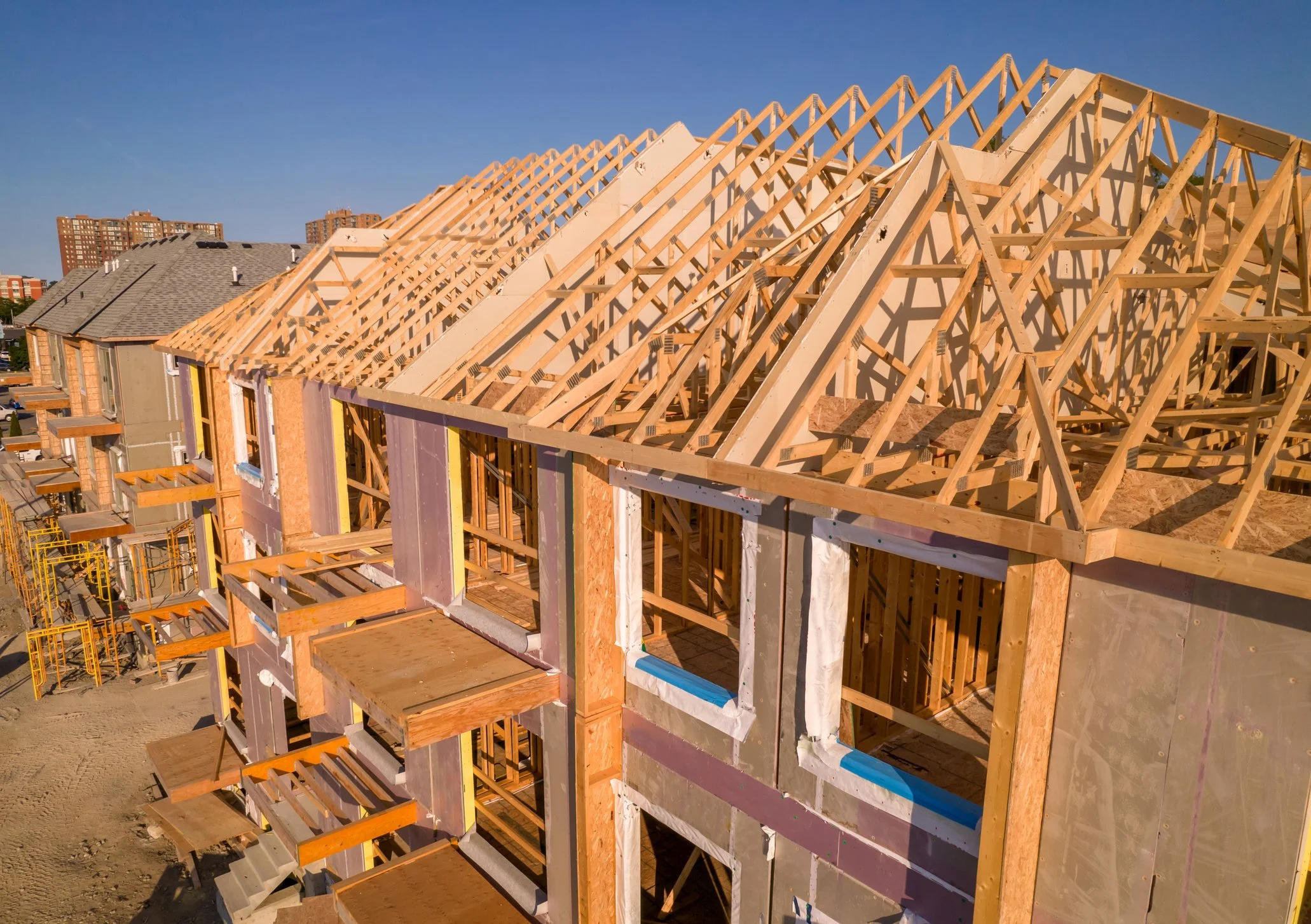
Project & Development Advisory
We guide municipalities and developers through financing structures, compliance, and community engagement on complex projects.
Learn more ↓
Organizational Excellence
We strengthen the organizations delivering the programs and projects, with grant compliance, streamlined processes, and clear organizational direction and priorities.
Learn more ↓Most engagements draw on more than one of these. We scope each one around your question, your timeline, and the funding you're working with.
Define the problem before choosing the tool.
Communities never have enough resources to meet every need, so every public investment is a choice. We hold public dollars to the discipline expected of private capital, and to a higher standard of transparency. Every engagement follows the same sequence, and each step leaves a record that staff, elected officials, and residents can follow.
- DiagnoseWhat problem are we solving, for whom, where, and at what scale?
- PlanWhat mix of investments, programs, and policy changes best fits that need?
- DesignWhich programs will deliver the plan, through whom, and how will they be monitored?
- UnderwriteIs this project necessary, right-sized, and sustainable?
- EvaluateDid it work, and what should change next time?
Program Design & Evaluation
A program is only as strong as its design. We help public agencies and nonprofits build community development programs that reach the people they're meant to serve, and then show whether they worked.
We start with the outcome you need to report and work backward to eligibility rules, subsidy levels, and the day-to-day process your staff will run. Measurement is built in from the start, so you're not reconstructing results at the end of the grant year.
What we do
- Program design for housing, small-business, homelessness, and neighborhood initiatives
- Subsidy and incentive design that sizes public dollars to the real financing gap
- Performance dashboards and outcome tracking set up from day one
- Program evaluation and impact reports for councils, boards, and funders
- Impact reporting frameworks for mission-driven investors
- Staff training so your team can run the program after we step back
Who it's for
formerly homeless residents housed in a Denver-area city. The city's data-driven Homeless Response System, built with community partners under Mandy Shreve's oversight, shows providers where the service gaps are and where limited dollars do the most good.
Policy Analysis & Strategy
Good policy starts with an honest diagnosis. We help communities work out what the problem is, who it affects, where it's happening, and how big it is, before anyone chooses a program, an incentive, or a project.
Communities rarely face one uniform problem. A city can have empty market-rate apartments and still lack homes that low-wage renters can afford. A downtown can have vacant storefronts while established neighborhood businesses struggle to find space to grow. Each of those needs a different tool. Our analysis separates the problems, so the response fits the evidence, whether the work is housing, small business, or economic development.
Needs assessments
A needs assessment is the foundation for everything that follows: the strategy, the programs, and the investments the community makes. We assess housing needs, small business and employment needs, and broader economic development conditions. We break each one down by the people, places, and market segments involved. For housing, that means income, renter or owner, household type, and neighborhood. For small business, it means industry, business size and stage, and location. That way a strength in one area can't hide a gap in another, and every target ties back to the need behind it.
Some needs assessments and feasibility analyses are required by federal or state rules. Others are what funders, lenders, and elected officials expect to see before they commit resources. When an analysis is mandated, we build to the requirements first: the required sections, data sources, public participation, comment periods, and deadlines. When it isn't, we hold it to the same standard of evidence.
Housing and community development
- HUD Consolidated Plans
- Housing authority PHA Plans
- Housing elements of comprehensive plans
- State-mandated housing needs assessments
- Local market studies
Economic development
- EDA economic development strategies (CEDS)
- CDBG economic development underwriting
- Tax increment financing feasibility and fiscal impact
- Tax abatement criteria and performance agreements
Either way, the analysis should be useful. We write it to satisfy the regulator or funder and to guide real decisions.
Our assessment work starts with the Community Development Profile, RAP's diagnostic tool. It brings together public data on housing, employment and business conditions, household economics, homelessness, federal resources, institutional capacity, and private capital. It shows which conditions and trends need attention.
Before the full assessment begins, the profile gives each community a list of possible responses to test and questions to answer. We then check every possible response against the evidence, legal authority, funding eligibility, and the capacity to deliver it.
The profile doesn't serve as a substitute for an on-the-ground evaluation of current community needs and local capacity. Rather, it helps communities start asking the right questions about where to focus resources.
What you receive
- A detailed needs assessment that separates distinct problems, such as shortage from vacancy, or business closures from businesses outgrowing their space
- Plain-language findings with every figure tied to its source, year, and geography
- A strategy and investment plan that balances new investment, preservation, direct assistance, services, and process reform
- Targets that come from the documented need, broken out by population, place, and outcome
- Return-on-investment and fiscal impact analysis, including whether an incentive is truly needed
- A comparison of options showing the tradeoffs and what each choice costs in alternatives given up
- An implementation roadmap naming who does what, by when, with which funds, and how progress will be reported
Also in this service
- Small business retention and expansion programs and policy
- Housing and economic development policy
- Community engagement and stakeholder facilitation
- Policy research and briefings for elected officials
Who it's for
comprehensive housing policy for a major U.S. city, developed and launched by Raquel Favela while she served as the city's Chief of Economic Development and Neighborhood Services, leading an $850M portfolio.
Project & Development Advisory
Complex projects stall in the gap between what they cost and what private capital will fund. We help municipalities and developers close that gap and keep the project moving to completion.
We've structured the deals, underwritten the loans, and managed the construction ourselves. That means we can sit on either side of the table: helping a city decide how much to invest, or helping a developer assemble a financing package the city can approve.
What we do
- Capital stack structuring with LIHTC, historic and New Markets tax credits, HOME, CDBG, and private debt
- Section 108 loan guarantee advisory
- Financial modeling, underwriting, and feasibility analysis
- Public-private partnerships and incentive negotiation
- Owner's representation and construction oversight
- Compliance and community engagement from closing through completion
Who it's for
redevelopment of a former public housing site into 80 affordable homes for a county housing authority. Stephanie Dugan structured the deal with LIHTC equity, HOME funds, public housing funds, and private debt.
Organizational Excellence
Strong programs need strong organizations. We help public agencies and nonprofits stay compliant, work more efficiently, and set clear direction and priorities, so their teams can deliver.
Whether you're managing federal grants, untangling a slow internal process, or deciding where to focus limited staff and funding, we work alongside your team to put practical systems in place, and leave it more capable than we found it.
What we do
- Grant compliance and administration for CDBG, HOME, and other federal and state funds, from setup through monitoring, reporting, and closeout
- Audit readiness and risk management, including subrecipient oversight
- Process improvements that cut delays, handoffs, and rework in permitting, contracting, and program delivery
- Organizational direction and priorities: plans that match goals to staff, budget, and capacity
- Organizational assessments and support through leadership transitions and reorganizations
- Staff training and capacity building, including custom workshops on federal funding rules
Who it's for
professional training classes a year for public and nonprofit staff, delivered under Tom Jackson's direction. Tom has also advised HUD grantees, from large urban counties to a state government, on program compliance and gap financing.
Not sure which service fits?
Most engagements start with a Rapid Consult: a focused conversation with the advisor whose experience matches your question.